


The change comes from the drive to cut administrative burden. In the annotation to the amendments, the Ministry of Economics argued that a visual inspection reveals only visible damage, not the hidden defects that lead to emergencies, and that the money — a single inspection is estimated to cost between 20 and 60 euro — is better directed to the repairs themselves.
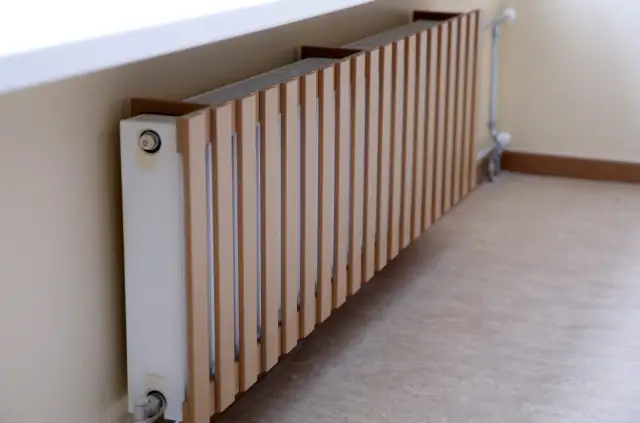
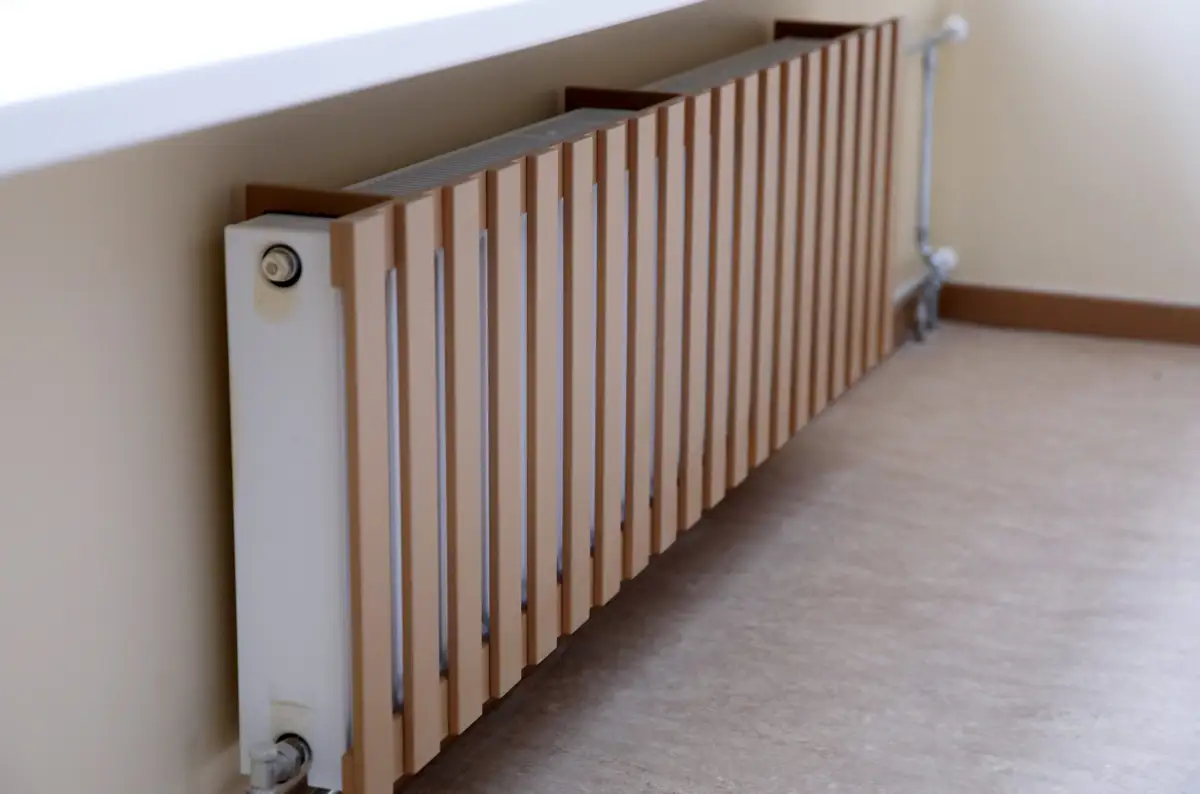
For the heating season, this matters more directly than a change of interval might suggest. The twice-yearly inspection of common-area utility systems had a logic to it — failures in the heating network are most likely when the heating season starts, so it made sense to check before the season begins and once it ends. The regulations do not specify the month in which the single annual inspection must be carried out. “The timing of the check no longer follows from the rules, but from the manager’s work plan and the decisions of the apartment owners,” says Tadas Matjošaitis, Chief Operating Officer of Civinity Group. “The calendar used to do part of the thinking for us. Now it is a choice someone has to make deliberately, and September is the last comfortable month to make it.”
There are three areas in which this choice costs money. The heat substation and risers: leaks and faulty valves are not revealed by inspecting an empty system, but by the first filling and pressure test. In September this is planned work, with time to order parts and compare offers; once the heating has been switched on, the same job becomes emergency work. Replacing balancing valves or the heat substation’s control automation during the season is usually no longer something that can be planned, so uneven heat distribution across the building stays as it is for the whole winter. The roof and rainwater drainage: a structure and its thermal insulation that stay damp for a long time lose their thermal performance, and the consequences of moisture — mould, delaminated finishes, corrosion — usually cost more than the original damage. Ventilation and flues: blocked vent grilles and uninspected flues are a direct source of moisture, and in buildings with gas appliances or solid-fuel heating they are also a safety matter.
The widespread claim that “it can’t be done in winter” would nevertheless be an overstatement. For standard cement-based materials, manufacturers usually set a lower limit of around +5 °C, but there are also winter mixes that can be applied from -10 °C. The price for this is time and conditions: for one such product the drying time at -10 to -5 °C is roughly four days rather than the two it takes above freezing, and the work must not be carried out on an icy surface, in strong wind or in high air humidity. What is decisive is not the temperature itself but compliance with the manufacturer’s technical data sheet — departures from it are precisely what can reduce the warranty. In practice this means more expensive materials and a narrow window of time, which is why a temporary fix is more often chosen in winter, with the full repair postponed to the next warmer season.
It is also worth distinguishing between responsibilities, because in practice they are often confused. The Law on the Management of Residential Buildings sets out the mandatory management activities — sanitary maintenance, provision of services, inspection of the building and the equipment within it, technical maintenance and routine repairs, as well as energy efficiency improvement measures. These do not depend on a separate vote, but the owners are obliged to provide the funding needed to carry them out, and maintenance intervals are set by the equipment manufacturer or by regulations, not by the manager at their own discretion. A technical survey is something else — an in-depth investigation of damage involving a certified specialist, carried out when damage has been identified during a visual inspection or when a part of the structure has passed its average service life; it is not covered by the monthly management fee. Insulation works, the reconstruction of systems or replacement of the roof, on the other hand, are decisions of the community of apartment owners, for which the manager prepares proposals, cost estimates and warnings, rather than deciding.
«What is most often left too late is not the repair, but the decision about it,» notes Matjošaitis. «Technically the work can be done in a few weeks, but reaching a decision and arranging the funding take months.» In September it is worth establishing three things — whether this year’s visual inspection of the building has already been carried out and what it found, whether those findings are included in the management work plan and how they are funded, and whether any of them require a decision by the community of owners. One step is worth taking this week: ask the manager for the findings of the latest inspection and, if any of them call for a decision by the community, set the date of the meeting or ballot before the first cold spell.
Abonējiet dienas svarīgāko
PRESS.LV Telegram kanāls — steidzamās ziņas un ekskluzīvi materiāli.






















Esiet pirmais, kas komentēs
Lai piedalītos diskusijā, nepieciešams PRESS.LV konts.